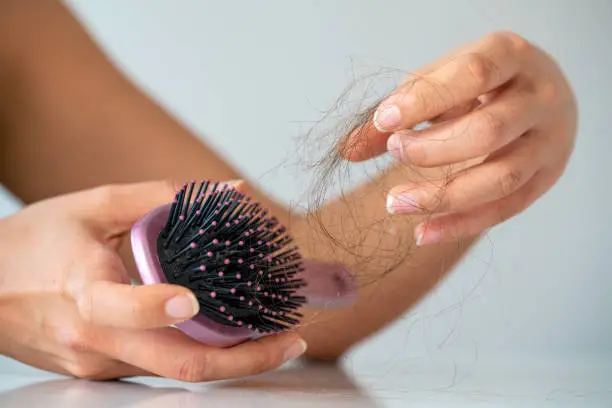
Hair loss is a common problem that affects millions of people around the world. While shedding 50 to 100 strands a day is considered normal, excessive hair shedding above 100 strands can be distressing. Fortunately, learning how to stop hair fall naturally is possible by making simple changes to daily habits, improving your diet, caring for your scalp, and managing stress.
Below is a comprehensive guide on how to stop hair fall naturally using safe, practical, and proven strategies.
1. Upgrade Your Diet & Nutrition

Hair follicles require a steady supply of nutrients to grow strong and healthy. Since hair cells are among the fastest-growing cells in the body, nutritional deficiencies quickly reflect in hair loss.
- Increase protein intake: Hair strands are primarily composed of a protein called ‘keratin.’ Ensure that your daily meals include protein-rich foods, such as eggs, lentils, chickpeas, nuts and dried fruits, yogurt, or lean meat. Pay attention to iron and ferritin: An iron deficiency in the body is a major cause of hair loss, especially in women. Incorporate iron-rich foods into your daily diet, such as spinach, green leafy vegetables, beans, and nuts or dried fruits.
- Incorporate Essential Vitamins: Biotin (Vitamin B7): Supports keratin infrastructure. Vitamin C: Enhances iron absorption and protects against oxidative stress. Found in citrus fruits, bell peppers, and amla.Zinc & Omega-3 Fatty Acids: Maintain scalp oil balance and follicle health. Best sources of vitamin C: pumpkin seeds, walnuts, and flaxseeds. Stay Hydrated: Drink plenty of water throughout the day to keep scalp tissue hydrated and functional.
2. Adopt Natural Scalp Care Habits for hair fall:
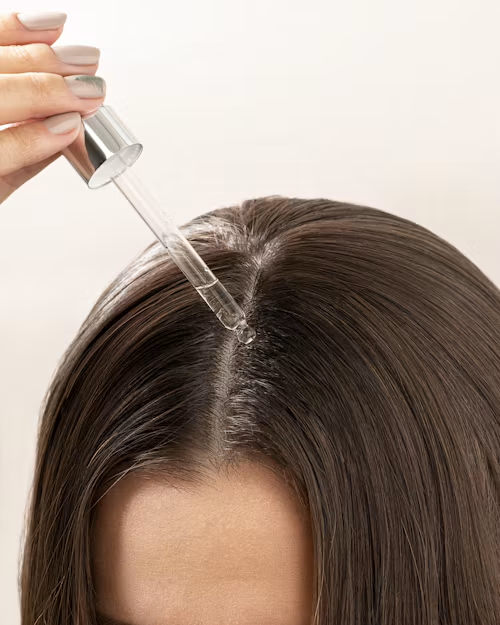
A healthy scalp provides the necessary foundation for hair growth. Natural care routines can strengthen hair roots and boost new hair growth.
Scalp Massage: Massaging your scalp gently with your fingertips for 4–5 minutes every day helps boost blood flow to the hair roots, delivering essential oxygen and nutrients.
Natural Oils for Scalp & Hair Care:
Coconut Oil: Known for deep penetration, coconut oil reduces protein loss from hair shafts.
Rosemary Essential Oil: Research suggests that diluted rosemary oil is highly effective in stimulating hair growth. Always mix a few drops with a carrier oil like jojoba or almond oil before applying.
Amla Oil: High in Vitamin C and antioxidants, amla oil fortifies roots and prevents early thinning.
Use Mild, Gentle Cleansers: Cleanse your scalp regularly with a gentle, sulfate-free shampoo to remove excess sebum and buildup without stripping natural moisture. Avoid washing hair with hot water; lukewarm or cold water is best.
3. Prevent Physical Damage and Breakage
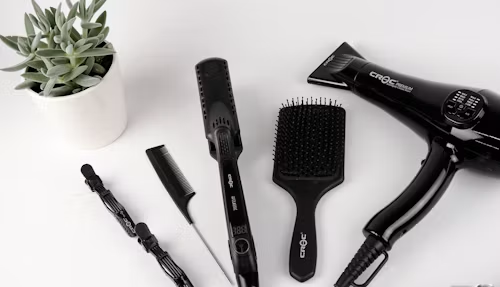
Physical stress on the hair shaft often leads to premature breakage and traction hair loss.
- Be Gentle with Wet Hair: Hair is weakest when wet. Avoid towel drying and never brush wet hair. Instead, gently pat dry with a microfiber or cotton towel or maybe a T-shirt, and use a wide-tooth comb to detangle your hair from the tips upward.
- Avoid Tight Hairstyles: Tight ponytails, buns, or braids put a continuous strain on the roots, which can trigger hair loss known as traction alopecia.
- Minimize Heat and Chemical Treatments: Avoid excessive use of blow dryers, curling irons, straighteners, and harsh chemical treatments like bleaching or perming.
4. Manage Stress and Lifestyle Habits

Emotional and physical stress can push many hair roots to enter a resting stage together. This can lead to noticeable shedding weeks or months later.
- Practice stress reduction: Techniques such as daily yoga, deep breathing exercises, and regular physical activity help regulate stress hormones like cortisol.
- Prioritize Restful Sleep: Aim for 7 to 8 hours of uninterrupted sleep every night to facilitate cellular repair and hair restoration.
Summary Checklist: How to Stop Hair Fall Naturally
- Eat balanced meals rich in protein, iron, zinc, and Vitamin C.
- Massage your scalp daily with natural carrier or essential oils.
- Switch to gentle, sulfate-free hair products.
- Avoid heat styling and tight hairstyles.
- Keep stress low through exercise and adequate rest.
When is it necessary to seek professional advice?
While you can easily manage normal daily hair loss with the natural remedies above, knowing how to stop hair fall requires identifying the root cause. Especially if hair fall is sudden or severe. Rapid thinning, scalp redness, or patchy loss could indicate an underlying medical condition, such as a thyroid disorder, hormonal imbalance, or genetic factors. In such cases, consult a qualified dermatologist or trichologist for an accurate diagnosis.”
Frequently Asked Questions (FAQs)
Q1: How long does it take to stop hair loss using natural methods?
Answer: It generally takes 2 to 3 months to see results from natural remedies and dietary changes. Since the hair growth cycle occurs in stages, consistent scalp care and proper nutrition are required for new, healthy hair to grow.
Q2: Can natural remedies regrow hair on bald patches?
Answer: Natural remedies are highly effective for strengthening existing roots, reducing excessive shedding/ hair loss, and enhancing growth in dormant follicles. However, if hair follicles are completely scarred or blocked, the effectiveness of natural remedies may be limited; in such cases, consulting a specialist is recommended.
Q3: Which oil is most effective for preventing hair loss?
Answer: Coconut oil is most recommended because it penetrates deep into the hair shaft, helping to prevent protein loss. Furthermore, research suggests that mixing a few drops of rosemary essential oil with a carrier oil ( jojoba or sweet almond oil) can effectively enhance hair follicles.
Q4: Does washing hair daily cause increased hair loss?
Answer: Washing your hair daily with harsh, sulfate-based shampoos can remove natural oils, potentially leading to dryness or hair breakage. However, using a gentle, sulfate-free cleanser 2 to 3 times a week keeps the scalp clean without weakening the hair roots.
Q5: Can stress cause sudden hair loss, and is it reversible?
Answer: Yes, Intense emotional or physical stress can trigger a temporary condition known as telogen effluvium, which can lead to substantial hair loss. The good news is that this type of hair loss is generally temporary and reversible.
Once stress levels are managed through adequate sleep, exercise, and relaxation techniques.